Fascia boards and gable barge boards are some of the most overlooked parts of your home's exterior. They protect your roof edges from water damage, support your gutter system, and give your roofline a clean, finished look. So when homeowners across the Pacific Northwest start planning a new roof, one of the most common questions we hear is: "Do I need to replace the fascia and gable boards too?"
At Mt Baker Roofing, we believe a roof is only as strong as the trim that frames it. Here's what these boards actually do, how to tell when they're failing, and why a roof replacement is the smartest time to deal with them.
What Are Fascia Boards on a House?
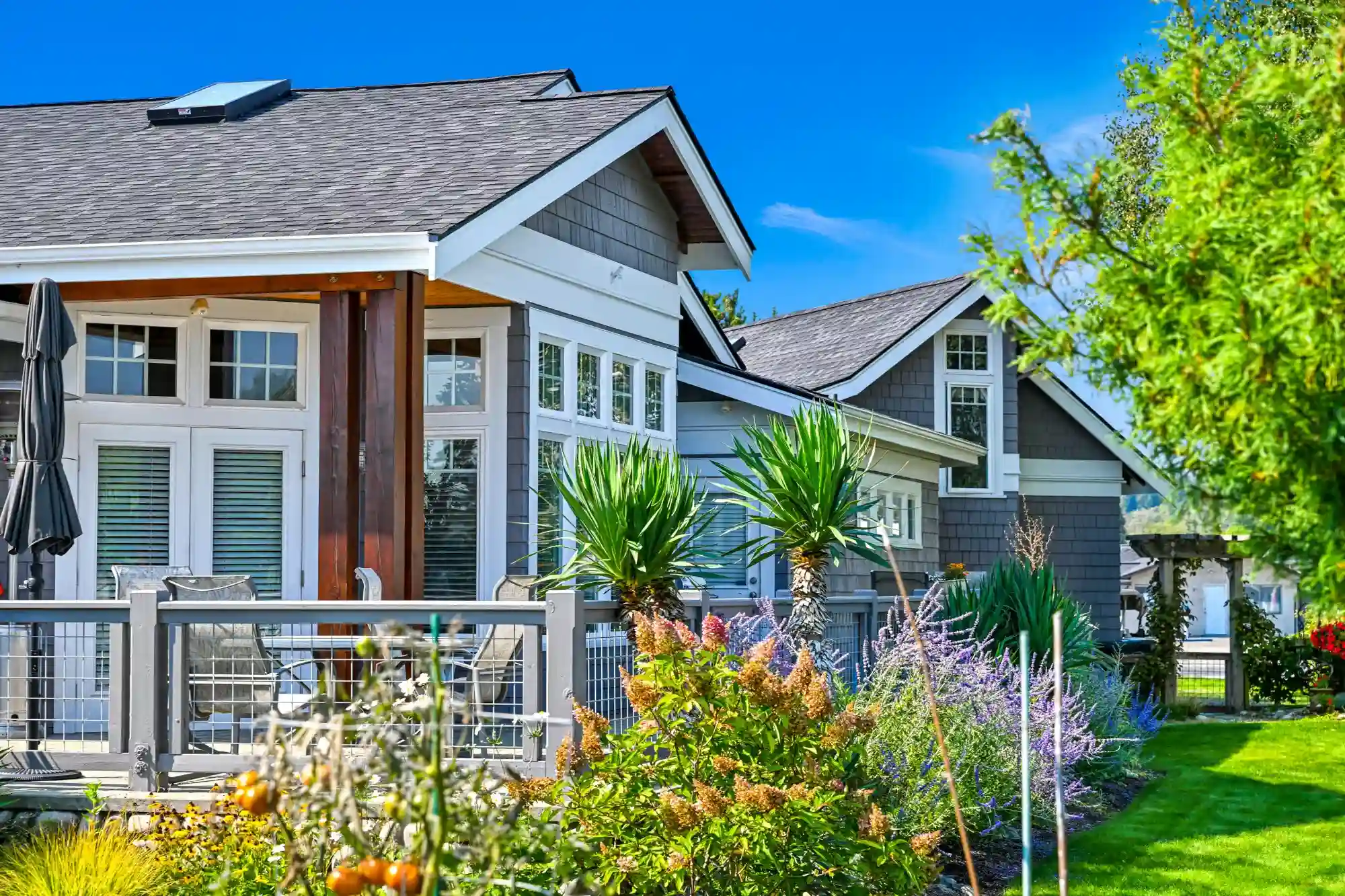
Fascia boards are the long, horizontal boards that run along the lower edge of your roof, where the roofline meets the exterior walls. They cap off the ends of your rafter tails and create the flat surface you see when you look up at the edge of the roof from the ground.
If your home has gutters, your fascia is what they're attached to. The fascia gives your gutters something solid to hang from and creates a sealed barrier between the roof and the elements.
What Are Gable Boards and Barge Boards?
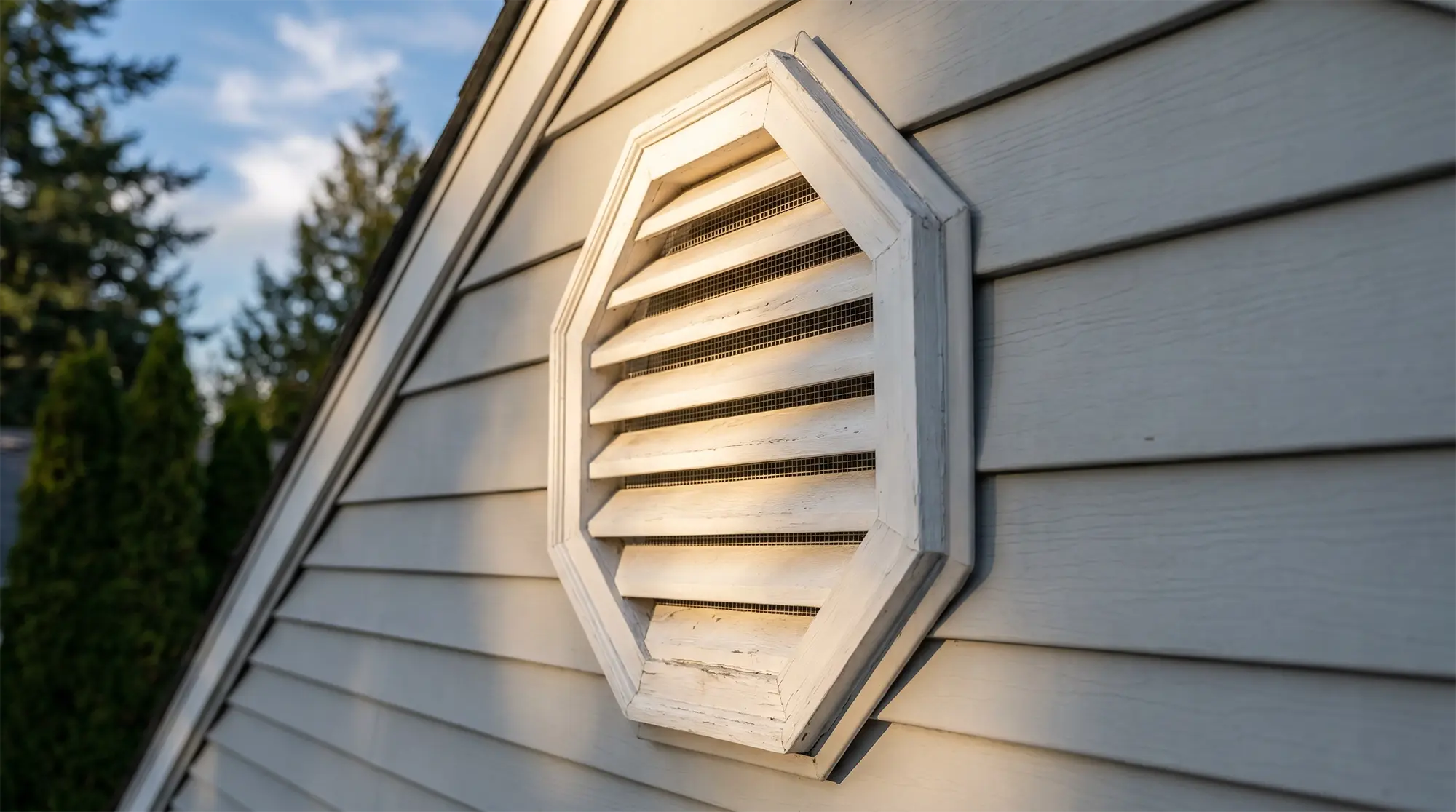
Gable boards, also called barge boards or rake boards, are the trim boards that run along the angled edges of a gabled roof. While fascia covers the horizontal eaves, gable barge boards cover the sloped sides of the triangular gable end where the roof meets the wall.
Their job is similar to fascia: protect the underlying roof structure from wind-driven rain, hide the raw edge of the roofing materials, and frame the roofline with a clean, intentional appearance. On many homes here in Whatcom and Skagit Counties, gable boards are also a major part of the home's curb appeal.
The Role of Fascia Boards on Your Roof
Fascia boards do three important things at the same time:
Block moisture. They seal the open edge of your roof, keeping wind-driven rain, snow, and debris from reaching the rafters and decking underneath.
Carry your gutters. Every gutter hanger on your home is screwed into the fascia. Without solid fascia, gutters sag, pull away from the house, and stop draining properly.
Finish the roofline. Fascia and gable barge boards are the visual frame of your roof. Even the most beautiful shingles look unfinished without clean, well-maintained trim around the edges.
In our climate, where roofs deal with months of rain every year, the protective role of roof fascia boards is especially important. Once they fail, water has a direct path into the structure of your home.
Signs Your Fascia or Gable Boards Need Replacement
Because fascia boards on a house sit right at the edge of the roof, they're often the first place water damage shows up.
Watch for:
- Peeling, cracked, or bubbling paint
- Soft spots, dark staining, or visible rot when you press on the wood
- Gutters that are sagging, pulling away from the house, or leaking behind them
- Daylight, gaps, or insect damage where boards meet
- Woodpecker holes, carpenter ant trails, or wasp nests in the trim
If you're noticing any of these, the fascia or gable boards are likely no longer doing their job, and the rafters and decking behind them may be at risk too.
Should You Replace Fascia Boards During a Roof Replacement?
In most cases, yes. A roof replacement is the ideal time to address fascia and gable barge boards, for the same reason it's the right time to replace skylights or gutters: the access is already there, the crew is already on site, and the alternative is paying twice.
Here's why we recommend handling them together:
1. Hidden Damage Becomes Visible
Fascia damage usually starts behind the gutters or under the drip edge, where you can't see it from the ground. Once we strip the old roofing materials, our team can fully inspect the trim and identify rot you didn't know was there.
2. Proper Drip Edge and Water Flow
A new roof relies on the drip edge being installed correctly along solid, straight fascia. If your existing boards are warped or rotted, that protection won't seal the way it should, which can shorten the life of your new roof.
3. One Project, One Warranty
When fascia, gable boards, gutters, and roofing are installed together, they become one cohesive system backed by a single comprehensive warranty. That's far easier to manage than juggling separate repairs over the next several years.
4. No Disturbing the New Roof Later
Replacing fascia after a new roof is in place often means lifting shingles, removing gutters, and disturbing the drip edge, exactly the kind of work that creates leaks. Doing it during the roof project avoids that risk entirely.
Talk to Mt. Baker Roofing About Your Roof Trim
Whether you're planning a full re-roof or just noticing soft spots behind your gutters, fascia and gable boards are worth a closer look before they cause bigger problems. Our team has installed roofs and trim on more than 20,000 homes across Whatcom County, Skagit County, Snohomish County, and Island County, and we know how much the trim matters to the long-term health of a roof.
Ready to take a look at your fascia, gable boards, and roof together? Contact Mt Baker Roofing today for a free estimate on your next roof replacement.